
Butterfly Koi: Long-Finned Beauties Make Waves in Ornamental Ponds
Posted by Kloubec Koi Farm on 6th Jan 2026
Butterfly koi, with their flowing fins and lively colors, have transformed ornamental ponds since their identification during the 1980s in Indonesia. These graceful fish, sometimes called "American Koi," can grow up to 60 centimeters long and showcase a stunning variety of patterns, from classic Kohaku and Showa, to a stunning solid metallic of the Yamabuki Ogon. While they require similar care to traditional koi - including proper water quality, temperature control, and a minimum 250-gallon pond - they offer unique visual appeal with their distinctive long fins and slender bodies. Though purists debate their place in the koi world, these hardy beauties continue to charm pond enthusiasts with their mesmerizing display and peaceful nature.
The Rise of Butterfly Koi
Butterfly koi's extraordinary expedition began in the early 1980s when a unique population of long-finned carp was found in Indonesia. Since that time innovative breeder techniques have altered them into the graceful specimens we recognize today.
The development of butterfly koi quickly gained momentum as American breeders, improved their characteristics and augmented their flowing finnage. This dedication to perfecting the breed led to their nickname "American Koi" in certain circles, though they've since crossed national limits to capture global markets.
What makes butterfly koi particularly fascinating is their widespread appeal despite initial skepticism from traditional Japanese koi enthusiasts. While they may not grace Japanese koi shows, these stylish fish have found their niche in international exhibitions and private collections worldwide.
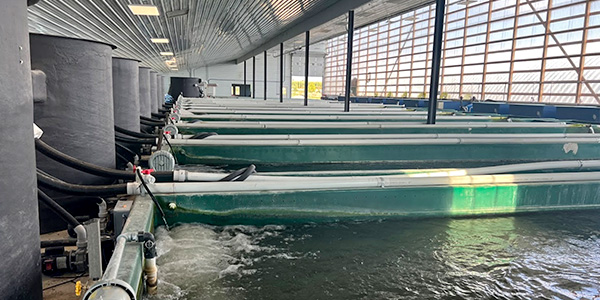
Their popularity stems from their diverse range of colors and patterns, combined with their distinctive long fins that continue to evolve throughout their lives. From European pond gardens to Asian water features, butterfly koi have proven that sometimes the most beautiful innovations come from unexpected places. Following traditional Japanese Nishikigoi techniques, Kloubec Koi Farm continues to refine these elegant specimens. The Kloubec Koi Farm in Amana, Iowa USA produces Butterfly Koi in nearly all varieties each breeding season.
Physical Features and Appearance
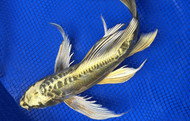
The physical features of butterfly koi set them distinctly apart from their traditional counterparts. While sharing a similar body structure to standard koi, these graceful fish are distinguished by their remarkably long, flowing fins that elegantly trail and swirl around them like silk ribbons in water.
Their slender bodies can grow up to 60 centimeters in length, though it's their stunning fin characteristics that truly capture attention - continuing to grow throughout their lives, unlike standard koi varieties.
What makes butterfly koi particularly fascinating is their diverse range of coloration patterns. From the classic Kohaku with its white base and red markings, and three-color patterns of Sanke or Showa, to the metallic sheen of Yamabuki Ogon, these fish offer a spectacular array of visual possibilities.
Some varieties even display intricate net-like patterns, while others showcase the rare and coveted solid black appearance. The addition of or Gin Rin scales can create an extra dimension of sparkle, making each fish unique. Doitsu types are just as captivating with large prominent scales adding another dimension.
As they mature, their fins develop an ideal proportion to their bodies, with mature specimens often displaying a striking 1:1 fin-to-body ratio that amplifies their overall appearance and movement in the water.
Care Requirements
Maintaining ideal conditions for these graceful fish requires careful attention to multiple environmental factors. Water quality stands at the forefront of butterfly koi care, with prime temperature ranging between 65-80°F and pH levels between 7.5-7.8.
Regular testing for oxygen, ammonia, nitrites, and nitrates guarantees a healthy aquatic environment where these refined swimmers can thrive.
Diet considerations play an essential role in butterfly koi health. These flexible omnivores benefit from a balanced diet of high-quality pellets, offered multiple times daily in portions they can consume within 2-5 minutes.
During winter months, when their activity naturally decreases, feeding should be reduced accordingly. Remember to avoid feeding during rainstorms, as oxygen levels typically drop during these weather events.
Shelter needs are equally important, with ponds requiring a minimum depth of three feet and capacity of at least 250 gallons. This space allows for natural behavior and winter dormancy.
A properly installed de-icer, along with adequate protection from both harsh sunlight and curious predators, creates a secure environment. Think of it as creating a cozy underwater home where your finned friends can live their best lives.
The Kloubec Koi Farm ensures optimal health through extensive quarantine procedures before any butterfly koi is offered for sale, or shipped.
Pond Companions
Selecting appropriate pond companions for butterfly koi requires careful consideration of various factors, including territorial behavior, size compatibility, and shared environmental needs. Among the most compatible species, goldfish stand out as ideal pond mates due to their similar care requirements.
For those seeking variety, several other options can create a harmonious aquatic community. Chinese High-fin Banded Sharks, despite their intimidating name, are peaceful creatures that coexist well with butterfly koi.
Certain catfish species not only provide companionship but also help maintain pond cleanliness by consuming excess food and debris from the pond floor.
When introducing new pond mates, verify your pond has ample space - at least 1000 gallons for 3-5 adult koi plus companions. Create distinct territories using aquatic plants, rocks, and submerged logs to minimize stress and aggression.
Remember to introduce new fish gradually after a proper quarantining period, and monitor their behavior closely. With proper planning and attention to these details, your butterfly koi can thrive alongside their carefully chosen companions, creating a lively and balanced pond ecosystem.
Debating Their Place
Beyond their compatibility with pond mates, butterfly koi occupy a contentious position within the koi-keeping community. These graceful fish, created by crossbreeding traditional koi with long-finned Indonesian carp, challenge established cultural perceptions of what constitutes a "true" koi.
While some purists might view them as less prestigious than their traditional counterparts, butterfly koi have carved out their own niche in the ornamental pond world. Their distinctive physical characteristic of graceful flowing fins that grow throughout their lives set them apart from conventional koi.
While these features make them visually striking, they've also led to their exclusion from many traditional competitions.
Despite the controversy, butterfly koi continue to win admirers with their unique beauty and hardy nature. They thrive in well-maintained ponds and requiring the same care as traditional koi.
While they may not command the premium prices of their classical cousins, their exquisite appearance and versatile nature make them beloved additions to ornamental ponds worldwide.
Conclusion
Butterfly koi, while debated among purists, have earned their place in ornamental ponds through striking beauty and peaceful temperaments. Despite concerns about hybridization diluting traditional bloodlines, these graceful swimmers bring unique aesthetic value and flexibility to modern water gardens. Their flowing fins and diverse color patterns enchant both novice and experienced enthusiasts, while their hardiness and compatibility with other pond fish make them an excellent choice for creating serene aquatic environments.
Shop our huge selection of Butterfly koi now! www.kloubeckoi.com/butterfly-koi